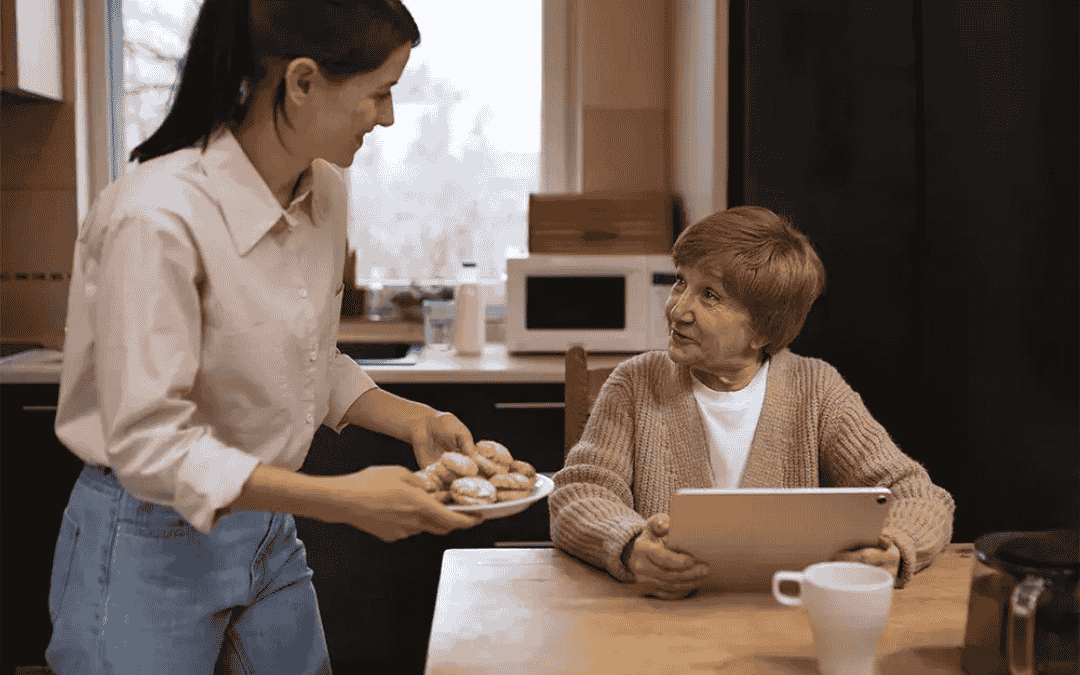
Independent living is more than a lifestyle — it’s a philosophy built on dignity, freedom, and self-determination. For millions of older adults and individuals with disabilities across the United States, maintaining independence is deeply tied to purpose and quality of life.
According to the U.S. Census Bureau, nearly 54 million Americans are aged 65 or older, and many express a strong desire to age in place. This demographic shift highlights the growing need for accessible, professional home care that allows people to thrive in their own homes.
The Growing Importance of Home Care
Home care serves as the bridge between full independence and institutional living. It provides personalized assistance that empowers individuals to remain comfortable, safe, and connected to their communities.
In cities like Austin, Texas, and Portland, Oregon, local agencies are expanding their services to include both medical and non-medical support — from medication management to companionship and household help.
Unlike nursing homes or assisted living facilities, home care offers remarkable flexibility. Each care plan is tailored to the client’s physical, emotional, and social needs.
A senior in Chicago may require mobility assistance and daily check-ins, while someone recovering from surgery in Phoenix might benefit from short-term skilled nursing visits.
This adaptability makes home care a cost-effective and highly responsive solution for families across the country.
Compassion at the Heart of Care
At its core, home care is an act of compassion. The best caregivers go beyond performing daily tasks — they foster trust, empathy, and meaningful connection. Compassionate care transforms simple routines into moments of dignity and understanding.
Studies consistently show that emotional well-being directly impacts physical health. According to the National Institute on Aging, older adults with strong social connections are 50% less likely to experience cognitive decline.
Recognizing this, agencies in cities like Denver and Raleigh are emphasizing emotional engagement as a key part of caregiver training. By nurturing both mind and body, compassionate care strengthens independence and overall happiness.
Technology Driving Modern Independence
Technology is revolutionizing how Americans experience aging and independent living. Smart home devices, telehealth platforms, and wearable health monitors are making it easier for families and caregivers to stay connected.
In innovation-driven cities such as San Francisco and Seattle, seniors are using digital tools to track medications, manage appointments, and consult healthcare providers — all from the comfort of home.
These technologies don’t replace human touch; they enhance it. Remote monitoring systems can alert caregivers to health concerns early, reducing hospitalizations and improving quality of care.
By combining compassion with innovation, home care professionals are creating a model that is both personal and proactive, giving clients confidence and peace of mind.
Economic and Social Impact of Home Care
The home care sector isn’t just transforming lives — it’s fueling the economy. The U.S. Bureau of Labor Statistics reports that home health and personal care aide positions are expected to grow by 22% through 2032, making it one of the nation’s fastest-expanding fields.
This surge reflects not only the growing demand for personalized care but also the economic strength of community-based support systems.
Across the nation, cities such as Miami and Minneapolis are witnessing a wave of home care startups emphasizing innovation and inclusivity. These local businesses create jobs, support families, and relieve pressure on hospitals and long-term care facilities.
By investing in home care, communities are building both economic resilience and social well-being.
A Compassionate Vision for the Future
Supporting independent living through home care is about more than meeting daily needs — it’s about enriching lives. As the U.S. population continues to age, the call for care models grounded in empathy, respect, and personalization will only intensify.
When communities invest in compassionate home care, they invest in dignity, connection, and hope.
Whether it’s a senior enjoying the familiarity of their home in Boston or a veteran receiving personalized support in Dallas, these services ensure that independence remains not just a privilege, but a promise — one rooted in compassion and human connection.
FAQs
What is independent living and why is it important?
Independent living is a philosophy centered on dignity, freedom, and self-determination. It allows older adults and individuals with disabilities to make choices about their daily lives while receiving the support they need to remain safe and comfortable in their own homes.
How does home care support independent living?
Home care provides personalized assistance—such as help with daily activities, medication management, and companionship—that enables individuals to maintain independence. It bridges the gap between complete self-sufficiency and institutional care, allowing people to thrive at home.
What types of services do home care agencies offer?
Home care agencies typically offer both medical and non-medical services. These include personal care, skilled nursing, physical therapy, meal preparation, transportation, and emotional support. Services are tailored to each client’s needs, promoting safety, comfort, and quality of life.
How is technology improving home care?
Technology such as telehealth, wearable health monitors, and smart home devices helps caregivers and families stay connected. These tools support real-time health tracking, appointment scheduling, and medication reminders—enhancing care quality without replacing the human touch.
Is the demand for home care growing in the United States?
Yes. According to the U.S. Bureau of Labor Statistics, home health and personal care aide positions are projected to grow by 22% through 2032. This reflects increasing demand as more Americans choose to age in place and receive compassionate, professional care at home.