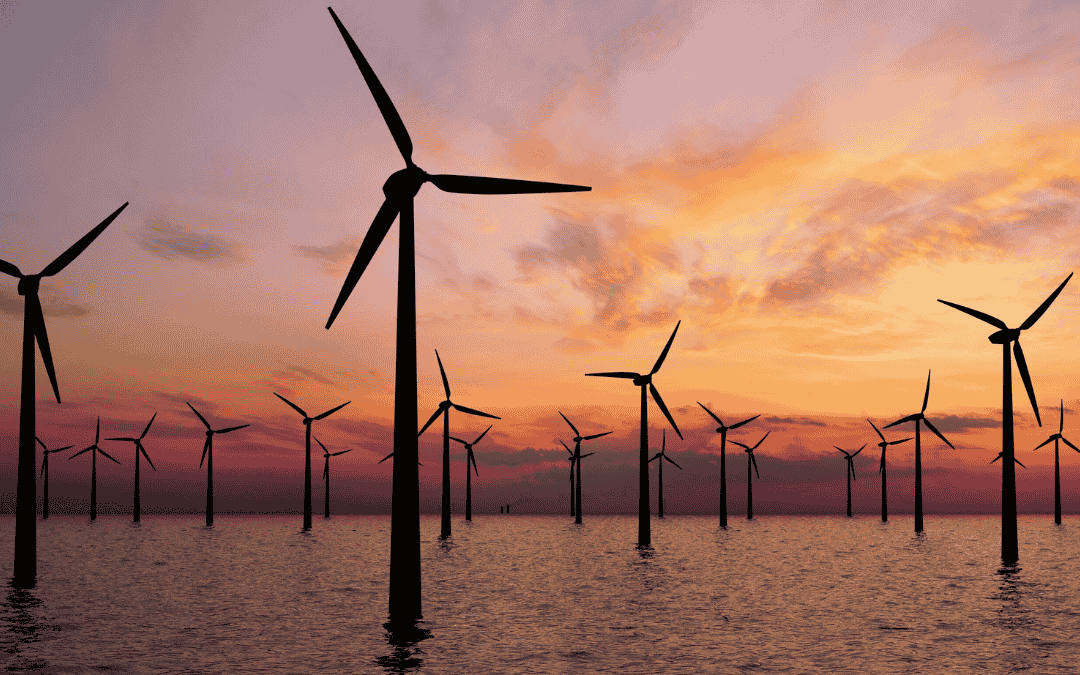
As the United States races toward a cleaner energy future, wind power has become one of the nation’s strongest forces for change. From the sweeping plains of Texas to the coastlines of Massachusetts, turbines now define the American landscape.
The U.S. ranks among the top three global leaders in wind generation, proving that sustainability and innovation can go hand in hand.
From Niche to Mainstream Energy Source
Over the past two decades, wind energy has grown from a niche resource into a cornerstone of America’s power supply. The U.S. Department of Energy reports that wind now generates about 10% of the country’s electricity—enough to power more than 45 million homes.
States like Texas, Iowa, and Oklahoma lead the way, with vast wind corridors fueling jobs, infrastructure, and rural prosperity.
Technological Advances Fueling Efficiency
Today’s wind turbines are feats of engineering, dramatically more efficient than those of just a decade ago. Taller towers and longer blades capture stronger, steadier winds. Offshore projects, such as Massachusetts’ Vineyard Wind, will soon power hundreds of thousands of homes.
Meanwhile, digital sensors, artificial intelligence, and predictive maintenance tools are revolutionizing reliability, reducing costs, and extending the lifespan of turbines nationwide.
An Engine for Economic Growth
Wind energy is no longer just an environmental pursuit—it’s an economic powerhouse. According to the American Clean Power Association, the industry supports more than 125,000 jobs across the United States, spanning manufacturing, construction, research, and maintenance.
Cities like Des Moines, Denver, and Houston are evolving into clean-energy innovation hubs, attracting new investment and diversifying local economies for a sustainable future.
Cleaner Air and a Healthier Planet
The environmental benefits of wind power are profound. Each year, wind energy prevents millions of tons of carbon dioxide from entering the atmosphere—the equivalent of removing nearly 60 million cars from U.S. roads.
As America strives toward its goal of net-zero emissions by 2050, wind power is playing a vital role in reducing pollution and safeguarding future generations.
Empowering Rural Communities
In many rural regions, wind farms have become lifelines for economic renewal. In states like Kansas and South Dakota, local governments receive millions in tax revenue from wind projects, funding schools, hospitals, and infrastructure.
Landowners also benefit through lease payments that supplement agricultural income. What was once farmland dependent on commodity prices is now part of a steady, renewable energy economy.
Challenges on the Horizon
Despite its momentum, the wind industry faces obstacles. The aging U.S. power grid needs significant upgrades to accommodate renewable energy sources.
Storage technologies—such as advanced batteries and hydrogen systems—are critical to balancing energy flow when the wind slows. Continued federal and state policy support, through incentives and research funding, will be essential to overcoming these growing pains.
Innovation Blowing in the Wind
The future of wind energy is as vast as the open sky. Floating offshore wind turbines, capable of harnessing deep-sea winds, are under development along the Pacific Coast.
Hybrid systems that combine wind, solar, and battery storage are being tested in states like California and New York, paving the way for around-the-clock clean energy generation across the nation.
A Vision for Tomorrow
Wind energy represents more than turbines and transmission lines—it’s a symbol of American ingenuity and determination. With continued investment, policy support, and innovation, experts project that wind could supply up to 35% of U.S. electricity by 2050.
Every new turbine marks another step toward energy independence, economic growth, and environmental stewardship.
Harnessing the Power of Progress
From the heartland’s prairies to the Atlantic’s rolling waves, wind energy is transforming how America powers itself. It creates jobs, strengthens communities, and protects the planet.
As each new turbine rises against the horizon, it stands as a powerful reminder that progress is in the air—and the future of clean energy is already here.
FAQs
What percentage of U.S. electricity comes from wind power?
As of 2024, wind energy accounts for about 10% of total U.S. electricity generation, powering more than 45 million homes nationwide.
Which states lead in wind energy production?
Texas, Iowa, and Oklahoma are the top three states for wind power production, with Texas alone generating more than 30% of the nation’s total wind energy.
What are the main benefits of wind energy?
Wind energy is renewable, reduces carbon emissions, supports over 125,000 U.S. jobs, and provides economic benefits to rural communities through land leases and tax revenue.
What challenges does the wind energy industry face?
Key challenges include upgrading the power grid, improving energy storage solutions, and maintaining supportive federal and state policies to sustain industry growth.