In 2021, the Campbell County Library System in northeastern Wyoming became a battleground over youth access to books addressing sexual education and LGBTQ+ themes. Several residents of Gillette demanded the removal of certain titles they deemed inappropriate for children. Among the books targeted were:
- This Book is Gay by Juno Dawson
- How Do You Make a Baby by Anna Fiske
- Doing It by Hannah Witton
- Sex is a Funny Word by Corey Silverberg
- Dating and Sex: A Guide for the 21st Century Teen Boy by Andrew P. Smiler
These titles, which focus on inclusive sexual education and identity, quickly became central to debates about censorship and representation in public libraries.
Lesley’s Lawsuit and Vindication
Terri Lesley, then-director of the Campbell County Library System, resisted calls to remove the books. In 2022, she was terminated from her position, prompting her to file a federal lawsuit alleging that county officials had violated her First Amendment rights.
Lesley argued that her dismissal was retaliation for defending intellectual freedom and opposing censorship.
County officials countered that Lesley was dismissed due to performance-related issues, not her stance on the books.
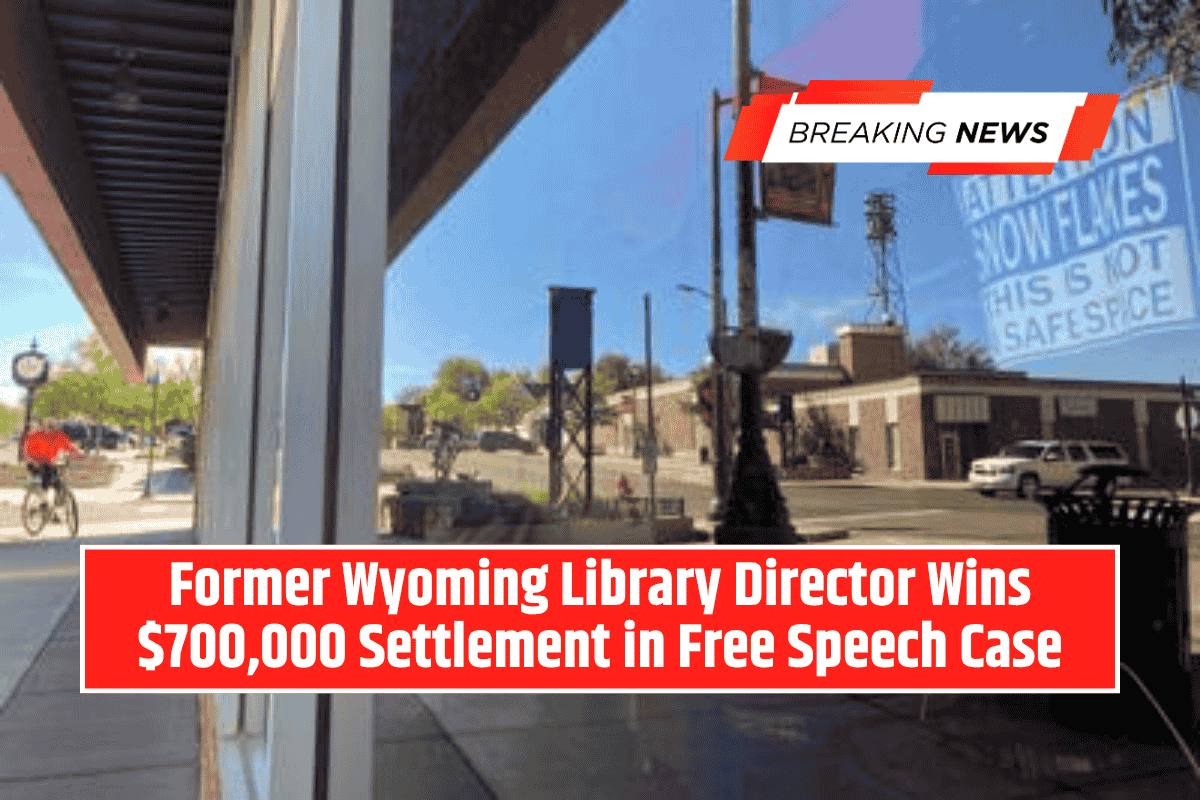
Following a lengthy legal battle, Lesley reached a $700,000 settlement with the county. She described the outcome as a moment of relief and vindication, saying:
“It’s been a rough road, but I will never regret standing up for the First Amendment.”
Legal Representation and Broader Impact
Lesley was represented by Iris Halpern of Rathod Mohamedbhai LLC, a Denver-based firm known for defending public employees in free speech and discrimination cases. Halpern emphasized the case’s national significance, stating:
“We hope it sends a message… that the First Amendment is alive and strong and that our values against discrimination remain alive and strong.”
The settlement serves as a symbolic victory for librarians and advocates of intellectual freedom, particularly amid growing political battles over book bans and access to LGBTQ+ materials in schools and libraries.
Federal Involvement and Ongoing Litigation
Before the settlement, the U.S. Equal Employment Opportunity Commission (EEOC) had reviewed Lesley’s discrimination complaint and granted her the right to sue, reinforcing the legitimacy of her claims.
While the settlement concludes her lawsuit against Campbell County, Lesley continues to pursue a separate case against three individuals who led the original book challenges.
That suit is ongoing and could further test the balance between community standards and constitutional rights in public library governance.