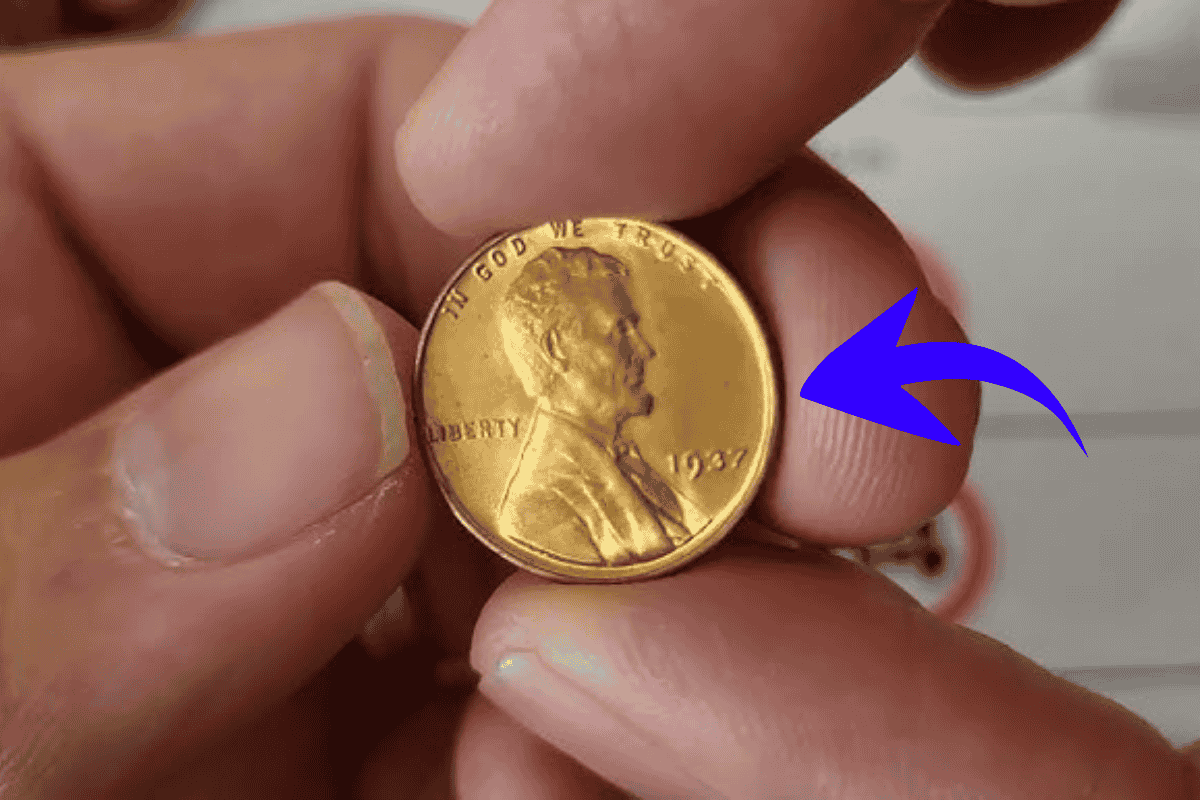
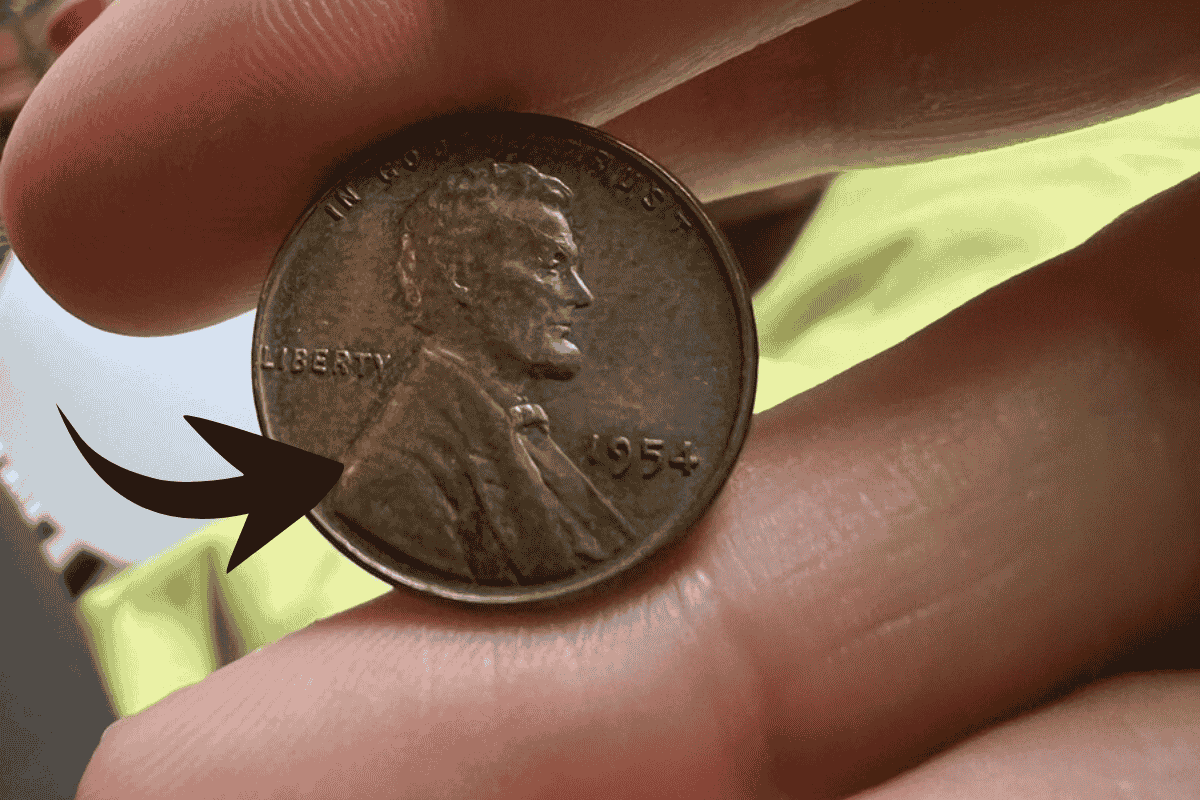
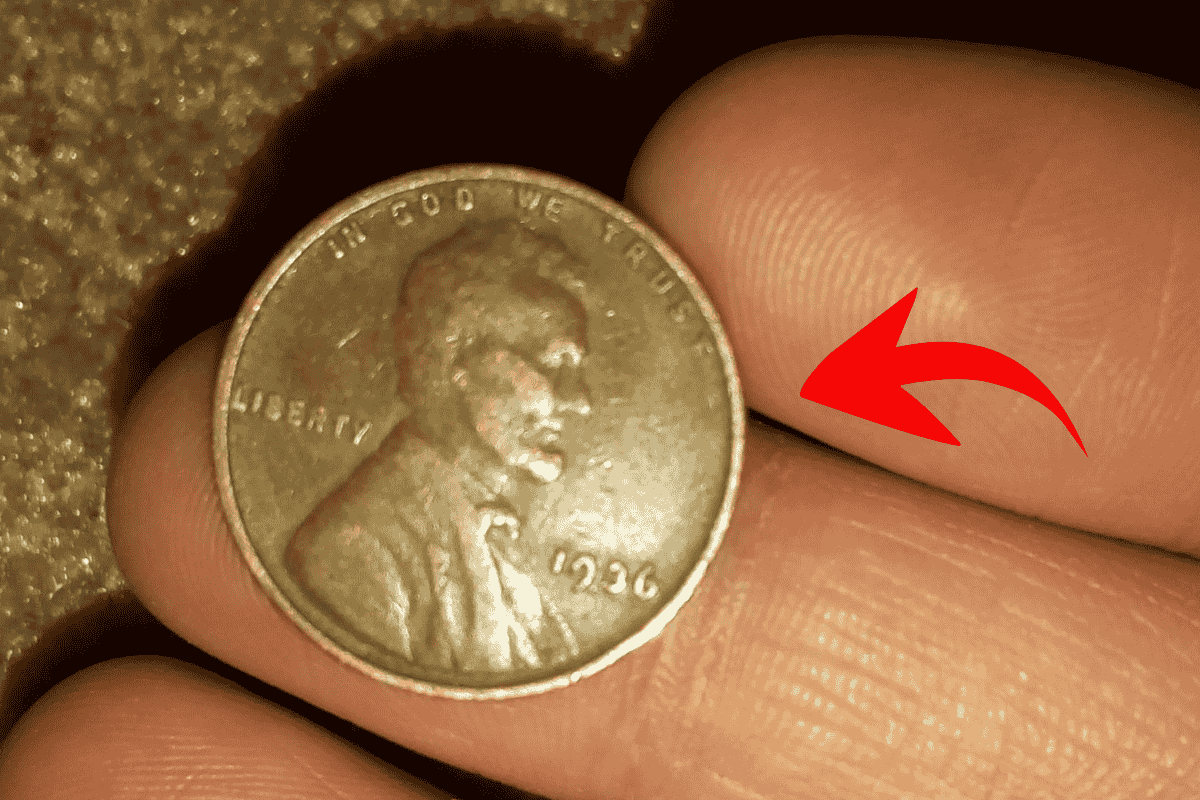
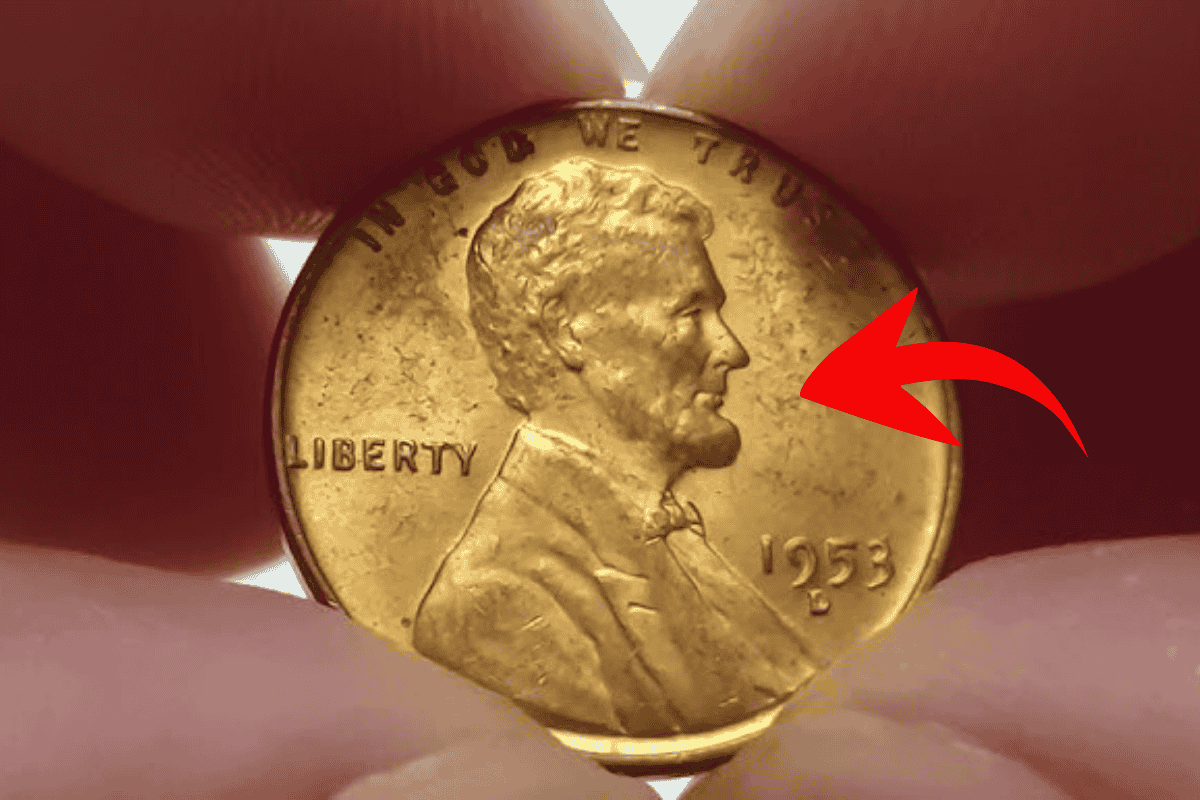
When you toss change into a parking meter in New York or grab your coffee in Seattle, the last thing on your mind is that a single penny might be worth a fortune.
Yet stories persist of a Lincoln Wheat Penny—whispered to be worth $1,000,000 or more—still hiding somewhere in circulation. It’s a tale that blends fact, fantasy, and a little hope every time you empty your pocket change.
The Lincoln Wheat Penny, minted from 1909 to 1958, is one of America’s most iconic coins. Featuring Abraham Lincoln’s profile on one side and twin wheat stalks on the other, it marked the first U.S. coin to honor a real person.
While most are worth face value, a few rare dates and minting errors have made headlines—and minted a few unexpected fortunes.
Why Some Wheat Pennies Are So Valuable
Most Wheat Pennies aren’t rare, but certain versions are worth thousands—or even hundreds of thousands—of dollars. What makes them special? Usually, it’s a combination of minting errors, limited production runs, or unique metal compositions.
The most famous of all is the 1943 bronze (copper) penny. During World War II, the U.S. Mint switched from copper to steel to save metal for ammunition. But a few copper blanks accidentally entered production.
Those rare mistakes, known as bronze cents, are now among the most coveted U.S. coins. Verified examples have sold at auction for $300,000 to over $1 million, depending on condition.
Another collector favorite is the 1955 doubled-die Wheat Penny, recognizable by its doubled lettering on “LIBERTY” and “IN GOD WE TRUST.” High-grade examples can command tens of thousands of dollars.
The Million-Dollar Myth: What’s Real, What’s Rumor
The internet has amplified stories of “million-dollar pennies still in circulation.” You’ll see clickbait headlines like “Check Your Change—You Might Be Rich!” While there’s some truth behind them, the odds are slim.
Numismatic experts confirm that a few ultra-rare Wheat Pennies could still be floating around—perhaps lost in coin jars or old dresser drawers—but widespread circulation is highly unlikely. Collectors and grading services have identified and secured most known specimens long ago.
Even so, the myth endures. It plays into the American fascination with hidden treasure—proof that something ordinary could secretly be extraordinary. And once in a while, a lucky discovery reignites the hope.
How to Tell If Your Penny Is Worth a Fortune
Think you might have a rare Wheat Penny? Here’s how to check before you cash it in:
- Look for the year. Key dates include 1909-S VDB, 1914-D, 1922 (no mint mark), 1931-S, 1943 (bronze), and 1955 (doubled-die).
- Do the magnet test. Steel 1943 pennies will stick to a magnet. If yours doesn’t—it could be a rare bronze version.
- Examine closely. Use a magnifier to check for doubling in the lettering or missing mint marks.
- Weigh it. Copper pennies weigh about 3.11 grams, while steel ones are around 2.7 grams.
- Authenticate it. If you suspect a valuable coin, send it to a professional grading service such as PCGS or NGC for verification.
Why These Stories Still Matter
Even if you never stumble upon a million-dollar coin, the legend of the Lincoln Wheat Penny holds a special charm. It reminds us that history hides in plain sight—on our desks, in our wallets, and in the change we collect without a second thought.
For many, searching through old pennies is more than a quest for riches; it’s a connection to America’s past. Each coin tells a story—of the Depression, the war effort, and everyday life across generations.
So next time you receive a handful of change in Boston, Denver, or Phoenix, take a closer look before spending that penny. Odds are, it’s just a cent—but there’s always that glimmer of possibility. Somewhere out there, perhaps, a million-dollar penny is still waiting to be found.
FAQs
What year of Lincoln Wheat Penny is worth the most?
The most valuable Lincoln Wheat Penny is the 1943 bronze (copper) cent. During World War II, the U.S. Mint accidentally struck a few copper coins instead of the usual steel. Verified examples have sold for $300,000 to over $1 million depending on condition.
How can I tell if my 1943 penny is rare?
Use a magnet. Regular 1943 pennies are made of steel and will stick to a magnet. A genuine bronze 1943 Wheat Penny will not. You can also weigh it—copper versions weigh about 3.11 grams versus 2.7 grams for steel—and have it authenticated by a professional grading service.
Are there other rare Wheat Pennies besides the 1943 bronze?
Yes. Other valuable varieties include the 1909-S VDB, 1914-D, 1922 No D, 1931-S, and the 1955 doubled-die Wheat Penny. These coins can be worth hundreds to thousands of dollars depending on grade and rarity.
Can I still find a rare Wheat Penny in circulation?
It’s possible but extremely unlikely. Most rare pennies have already been discovered and secured by collectors. Still, older coins sometimes turn up in pocket change or coin rolls, especially from inherited collections or old jars of saved pennies.
What should I do if I think I found a valuable penny?
Handle it carefully—avoid cleaning or polishing. Store it in a protective holder and submit it to a professional grading service like PCGS or NGC for verification before selling. Graded certification protects its authenticity and market value.
Why are Lincoln Wheat Pennies so collectible?
The Lincoln Wheat Penny was minted from 1909 to 1958 and was the first U.S. coin to feature a real person. Its long history, design, and rare error varieties make it a favorite among both beginner and advanced coin collectors.