Across the United States, engineering and environmental innovation are converging to build a more sustainable future. As cities expand, infrastructure ages, and climate challenges intensify, engineers are developing creative, resilient solutions that reduce emissions, conserve resources, and restore ecosystems—transforming how Americans live, work, and move.
The Urgency of Environmental Innovation
As one of the world’s largest emitters of greenhouse gases, the U.S. faces both responsibility and opportunity. With massive investments in science and engineering, the nation drives research that cuts energy costs, enhances efficiency, and scales clean technology—turning sustainability from aspiration into actionable progress.
Engineering as a Catalyst for Change
Engineering innovation connects vision to impact. From renewable power systems to water management and zero-emission transport, engineers turn ideas into infrastructure. Their role is pivotal in translating scientific discovery into tangible outcomes that serve communities while protecting the environment for generations to come.
Sustainable Cities and Green Infrastructure
Urban areas remain at the center of environmental reform. Cities consume vast energy and produce most global emissions, yet they also hold the greatest potential for change. Portland, Oregon, leads with renewable energy and green building retrofits, while San José mandates all-electric construction, eliminating dependence on fossil fuels.
Designing for Climate Resilience
Engineers are reimagining cityscapes with green roofs, permeable pavements, and rain gardens that manage stormwater naturally. In flood-prone cities like Miami and New Orleans, hybrid coastal defenses—combining mangroves, oyster reefs, and engineered barriers—offer protection while preserving ecosystems. Such designs balance human development with environmental resilience.
Clean Energy Transformation
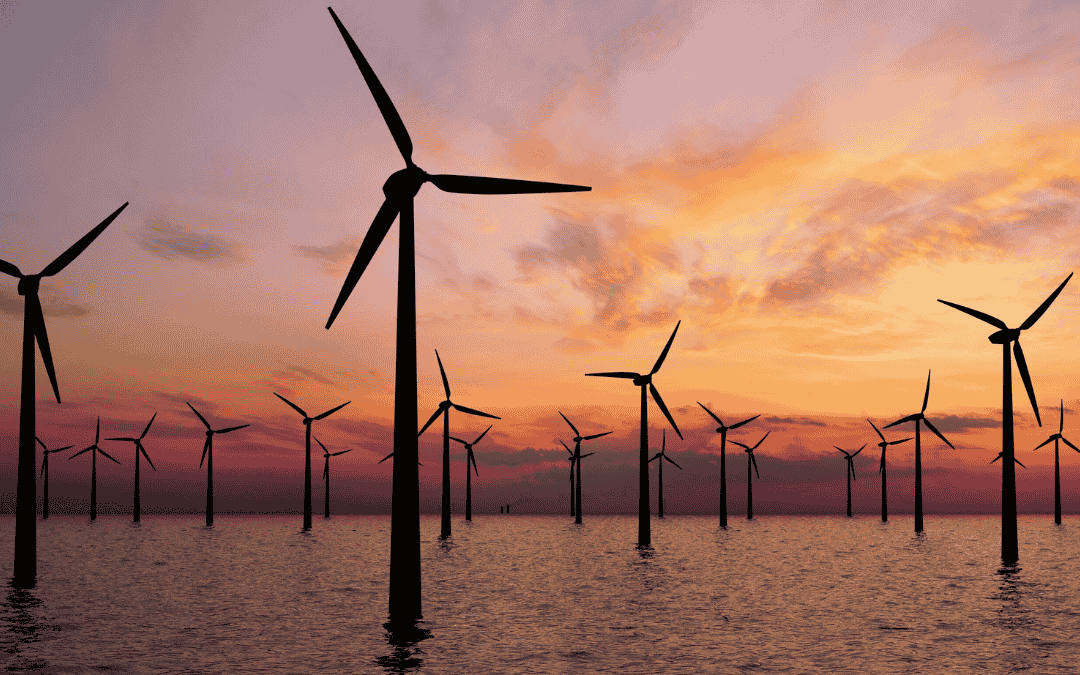
The U.S. energy landscape is undergoing rapid evolution. Wind and solar now power a growing share of the grid, with Texas leading in wind generation and the Southwest in solar potential. Engineers optimize these systems through advanced storage, grid modernization, and digital technologies that ensure stability despite variable renewable output.
Smart Grids and Digital Innovation
Over 40% of global power digitalization projects are driven by U.S. firms. Using artificial intelligence for demand forecasting and advanced grid control, engineers enhance efficiency and resilience. Federal initiatives like the Department of Energy’s GRIP program further support modernization and integration of renewable infrastructure nationwide.
Water and Waste Reinvention
Engineering innovation extends beyond energy to water and waste management. Western cities now capture, recycle, and reuse water to address scarcity. Smart sensors detect leaks and improve efficiency. Meanwhile, waste systems are evolving into resource centers—converting food waste into biogas and using AI to improve recycling accuracy.
Collaboration and Policy Alignment
Engineering progress depends on strong partnerships among governments, universities, nonprofits, and private industry. Programs such as the Emerald Cities Collaborative retrofit buildings and create green jobs. Policymakers must reinforce these efforts through aligned incentives, carbon pricing, and clear regulations supporting long-term sustainability.
Looking Forward: Building with Purpose
The path to a sustainable future is dynamic and collaborative. Cities like Seattle, Boston, and Phoenix are adopting net-zero targets and embracing innovation ecosystems. Engineers will continue advancing modular renewables, carbon capture, and nature-based designs—creating infrastructure that sustains both people and the planet.
A Legacy of Resilient Progress
Through engineering excellence and environmental innovation, the United States is crafting more than technology—it is building a legacy of equity, resilience, and ecological health. This union of creativity, science, and responsibility is shaping a future where progress and preservation thrive side by side.
FAQs
What is environmental engineering?
Environmental engineering focuses on developing technologies and systems that protect the environment, reduce pollution, and promote sustainable resource use.
How does innovation drive sustainability?
Innovation enables the creation of cleaner technologies, smarter infrastructure, and circular systems that help reduce emissions and support long-term ecological balance.