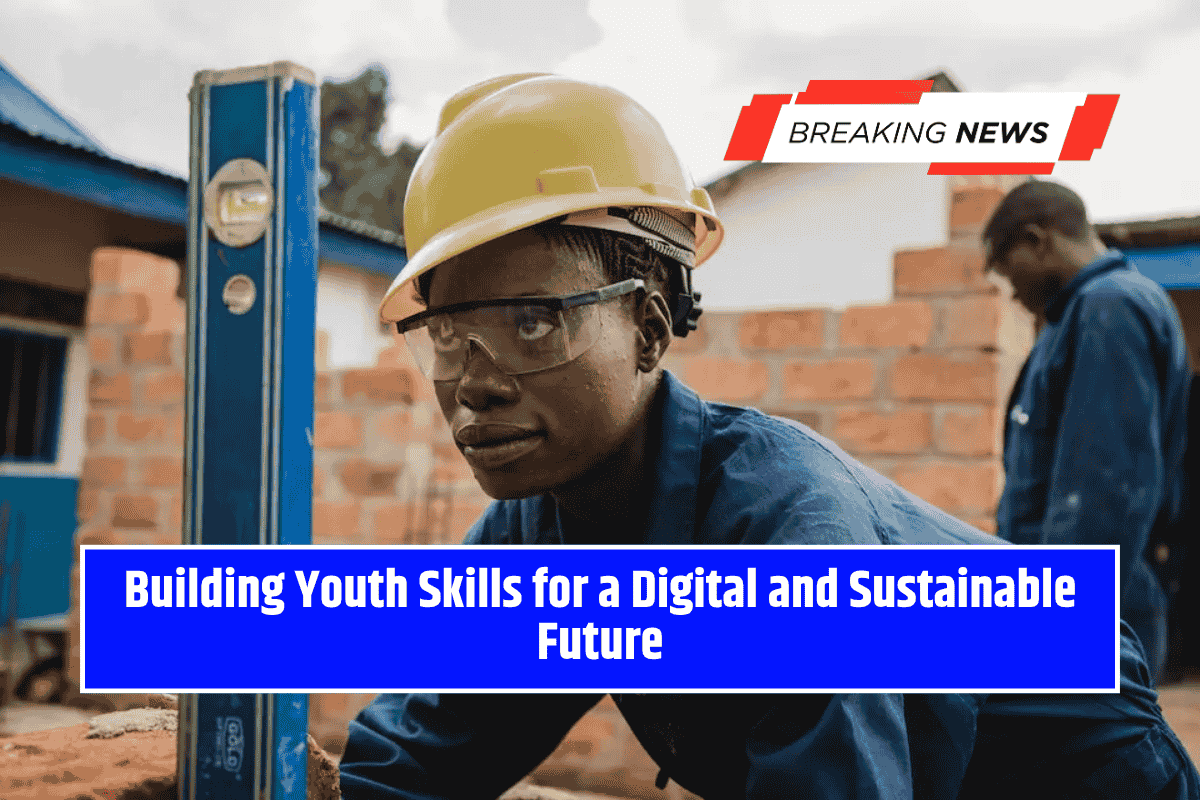
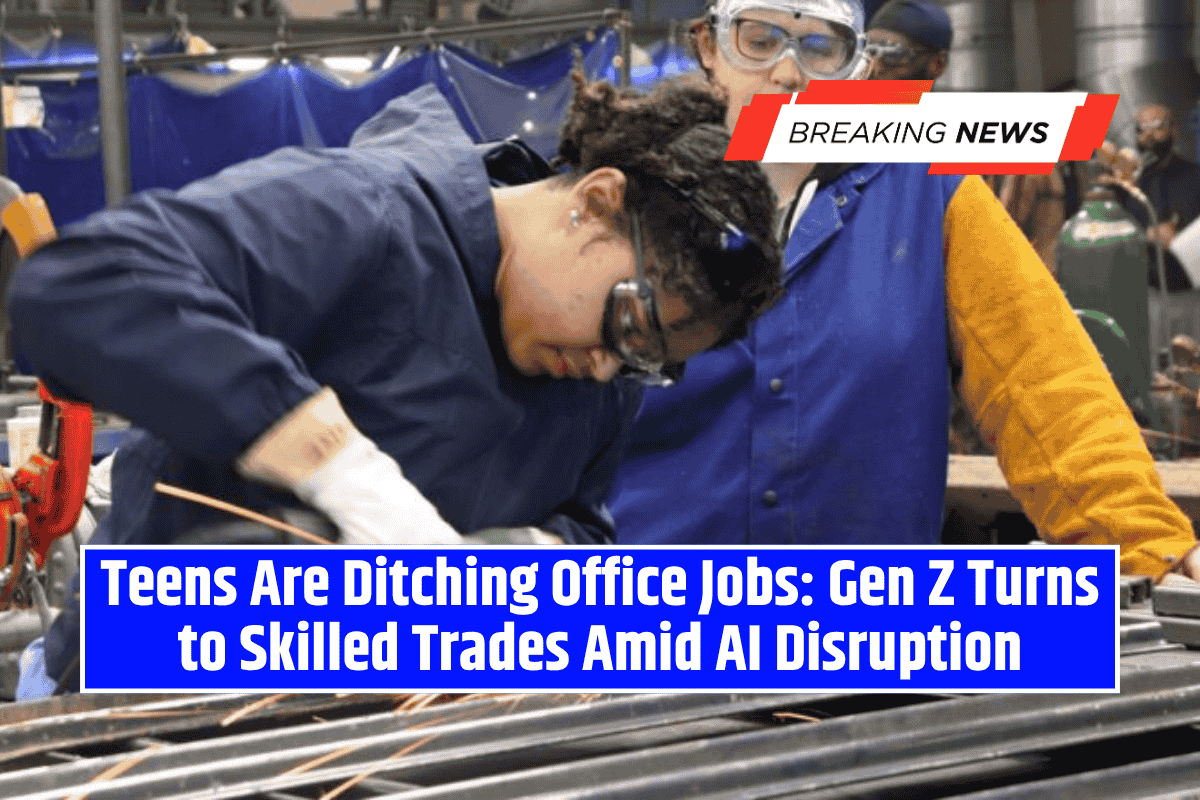
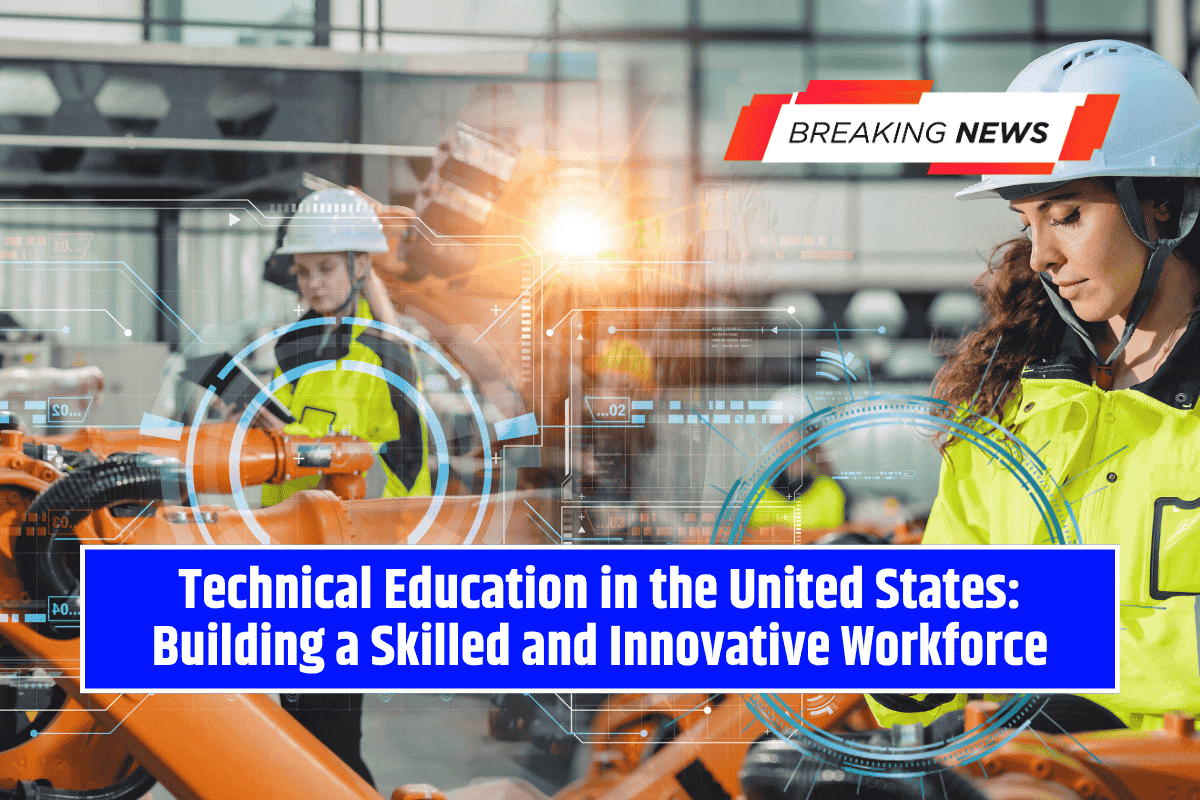
Technical and Vocational Education and Training (TVET) encompasses a broad range of formal, nationally accredited training and diploma programs, as well as informal skills development.
These initiatives prepare learners for employment across diverse occupational fields, including production, services, and livelihoods. TVET supports children, youth, and adults through professional development, upskilling, and reskilling opportunities essential for today’s dynamic job markets.
Aligned with UNHCR’s Refugee Education 2030 strategy, TVET plays a critical role in enabling refugees to pursue sustainable futures and meaningful employment.
UNHCR’s Collaborative Approach
To improve refugee inclusion in quality TVET programs, UNHCR collaborates with global and local partners, including:
- International Labour Organization (ILO)
- German Corporation for International Cooperation (GIZ)
- Finn Church Aid (FCA)
- UNESCO International Centre for Technical and Vocational Education and Training (UNEVOC)
- Other regional development agencies and vocational training institutions
Through these partnerships, UNHCR promotes refugee participation in industry-relevant programs, emphasizing green and digital skills development. Initiatives such as DAFI scholarships align with evolving labor market demands and foster economic inclusion.
These efforts rely on strong partnerships with U.S. federal and state agencies, local education providers, industries, and private sector partners who work to identify, design, and include refugees in labor market-aligned opportunities.
Global Refugee Forum Commitments
At the Global Refugee Forum (GRF) 2023, 53 pledges were made to enhance and expand refugees’ access to TVET globally. These commitments emphasize facilitating the transition from education to employment, ensuring refugees can support their families and actively contribute to host communities — including those in the U.S.
Work-Based Learning and Apprenticeships
Work-based learning integrates academic education with real-world professional experience. This approach includes internships, apprenticeships, and dual study programs that combine theoretical knowledge with hands-on skills.
In the United States, apprenticeships at higher education levels enable students — including refugees — to:
- Earn while they learn
- Gain valuable industry experience
- Work toward formal qualifications
UNHCR’s private sector and SME partnerships support refugee inclusion in work-based learning by offering:
- Market-relevant training
- Practical experience through apprenticeships
- Improved pathways to employment and self-reliance
Responding to Global Labor-Market Trends
The rising demand for tertiary-level vocational education reflects several global labor-market shifts, including:
- Rapid technological advancements
- Growing digitalization
- A focus on sustainable and green development
Key sectors in demand for skilled professionals include:
- Renewable energy and sustainability
- Information and Communications Technology (ICT)
- Advanced manufacturing and robotics
- Healthcare and social services
- Creative industries and design
- Agriculture and sustainable development
- Hospitality and tourism
These fields present significant opportunities for refugees in the U.S. to gain competitive skills aligned with future labor market needs.
Advancing Quality and Impact
UNHCR and its partners aim to ensure that all TVET initiatives for refugees are:
- Quality-assured and responsive to industry needs
- Sustainable, offering long-term career pathways
- Inclusive, enabling equitable participation for refugee learners
Through strategic coordination with U.S. educational institutions, workforce development boards, and employers, these programs empower refugees to build meaningful, self-reliant futures while contributing to the nation’s economic and social fabric.